

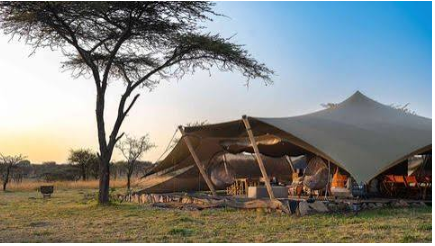

Falling asleep to the distant rumble of lions and waking to a pot of coffee delivered to your tent is among the most evocative ways to experience Africa. A Tanzania luxury camping safari combines the immediacy of sleeping in the bush with comforts that surprise first-time visitors: proper beds, hot showers, linen, fine dining and attentive staff. It is not roughing it. It is the classic safari spirit, refined.
This guide explains what luxury camping in Tanzania involves, the main camp types, where to go, what it costs and how to plan a trip that matches your expectations.
What Is a Luxury Camping Safari?
The term covers a range of experiences, but most luxury camping safaris share several features:
- Canvas accommodation. Spacious walk-in tents, often with timber floors, verandas and fine finishes
- En-suite facilities. Flush toilets and bucket or full showers, with hot water delivered on request in many camps
- Real beds and linens. Comfortable bedding, mosquito nets and, in some camps, writing desks and lounge areas
- Small scale. Many camps host only 8 to 16 guests, which makes service personal
- Prime locations. Camps are positioned deep in wildlife areas, often outside the main lodge clusters
- Excellent food. Meals prepared by camp chefs using fresh ingredients, with communal or private dining
Compared with a large lodge, a tented camp puts you closer to the sounds, smells and rhythms of the bush. Compared with a basic camping safari, it removes the chores and discomfort.
Types of Luxury Camps in Tanzania
Permanent Tented Camps
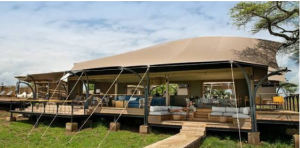
These are fixed camps built on platforms or foundations with canvas walls and often a thatched or canvas roof. They offer a settled base with more space, and some include plunge pools, spas and lounges.
Best for: travelers who want comfort, privacy and a consistent base in one park.
Mobile Camps
Mobile camps are the heart of classic luxury camping. Staff assemble a full camp in a chosen location, and it relocates seasonally to follow the Great Migration or reach quieter wildlife areas. Despite the portability, the standards are high: spacious tents, bucket showers or en-suite bathrooms, dining tents and a campfire.
Best for: travelers who want to be in the middle of the action and enjoy an adventurous, authentic atmosphere.
Semi-Permanent and Seasonal Camps
These camps stay in place for the migration season, often a few months, and then close or move. They give some of the closeness of a mobile camp with a slightly more established setup.
Private Concession Camps
Operating on land leased outside national park boundaries, these camps often allow night drives, walking safaris and off-road driving, none of which are permitted in many national park areas. They tend to be quieter and more exclusive.
Glamping-Style Camps
Some camps lean toward resort-style comfort within a tented setting, with larger tents, more elaborate decor and spa services. They suit travelers who want the tented atmosphere without giving up amenities.
Where to Go: Best Regions for Luxury Camping
Serengeti
The Serengeti is the premier destination for tented camping, and many mobile camps are designed around the Great Migration. Camps are positioned in the south (January to March for calving), the central Seronera area (year-round predators), the west and Grumeti (roughly May to July) and the north near the Mara River (July to October for river crossings).
Ngorongoro Highlands
Camps and lodges on the crater rim offer views across the caldera, and some small camps are tucked in nearby highland areas. Nights here can be cold, so expect good bedding and heating options.
Tarangire National Park
Tarangire is known for large elephant herds and baobab trees. Camping here feels intimate, especially in the dry season when animals gather along the river.
Ruaha and Nyerere (Southern Tanzania)
These remote parks have fewer visitors and many small tented camps. They suit travelers seeking solitude, riverside settings and activities such as boat safaris and walking safaris.
Western Tanzania
Mahale Mountains and Katavi National Park offer rare, remote tented camps for chimpanzees and large buffalo and hippo concentrations. They require flights and extra planning but reward visitors with exclusivity.
What a Typical Day Looks Like
Early morning. A gentle wake-up call, tea or coffee at your tent and a light breakfast before a dawn game drive, when predators are most active.
Mid-morning. Return to camp for a full breakfast, or enjoy a bush breakfast in the field.
Midday. Rest, read, swim at camps with a pool, or relax at camp during the heat of the day. Lunch is typically served in the dining area.
Afternoon. A second game drive or a guided walk, followed by sundowners as the light fades.
Evening. A campfire, a multi-course dinner by lantern light and a short walk to your tent, usually escorted by staff for safety. Nights are filled with the sounds of the bush.
What Luxury Camping Costs
Luxury camping safaris are priced per person per day, and most rates include accommodation, meals, game drives, a private guide and often drinks and laundry. Park fees may or may not be included, so always check.
General figures show that luxury safaris range from around $700 to $1,500 per person per day. High-end mobile camps in prime migration locations can exceed this, particularly in peak season. twowanderingsoles
Fixed Costs to Plan For
- Park and conservation fees. Charged per person per day, they are not negotiable. For example, a crater service fee of $295 per vehicle applies if you descend into Ngorongoro Crater. dumaexplorer
- Concession fees. Overnight stays inside certain parks incur additional charges.
- Domestic flights. Light-aircraft transfers between airstrips add several hundred dollars per person per sector.
Optional Extras
- Hot-air balloon flight. Around $500 to $599 per person in the Serengeti, often followed by a bush breakfast safarifind
- Walking safaris and night drives. Usually available at private concessions
- Spa treatments, premium drinks and tips
Sample Budgets
| Itinerary | Typical Cost per Person |
| 5-day northern circuit | $3,500–$7,500 |
| 7-day northern circuit | $5,500–$10,500 |
| 10-day Serengeti and southern circuit | $9,000–$16,000+ |
These are planning estimates, and actual quotes vary with season, camp choice and group size. Always request a detailed, itemized proposal.
Best Time to Go
Late June to October. The dry season is the most popular time. Wildlife gathers near water, vegetation thins, and the northern Serengeti offers river crossings. It is also the most expensive and requires early booking.
January to March. Calving season on the southern plains is dramatic and attracts predators. Mobile camps are positioned in the south, and crowds are lighter.
April to May and November. Green season brings lush scenery, discounted rates and quieter parks. Rains can disrupt roads, and some camps close.
December. A festive period with strong demand around the holidays.
Mobile camps are seasonal, so confirm where a camp will be located on your dates before booking.
What to Pack
- Soft-sided luggage. Light aircraft often limit baggage to around 15 kg, so avoid hard suitcases
- Neutral clothing. Khaki, olive and tan layers, avoiding bright colors and dark blue or black, which can attract tsetse flies
- Warm layers. Early mornings and evenings can be cold, especially in the highlands
- Sun protection. Hat, sunglasses and high-SPF sunscreen
- Binoculars and camera. A zoom lens of at least 200 millimeters is useful, plus spare batteries and storage
- Torch and adapter. Camps often use solar or generator power, so a headlamp and a power bank are handy
- Insect repellent and personal medication
Safety and Comfort in a Tented Camp
Many first-timers worry about safety in a tent. Camps operate under strict protocols:
- Staff escorts. After dark, you are typically escorted between your tent and the dining area
- Communication. Many camps provide a whistle, torch or radio for emergencies
- Wildlife awareness. Guides brief you on how to behave around camp and what to do if animals approach
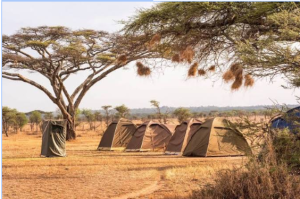
- Secure tents. Zipped canvas with mosquito netting protects you from insects
Follow your guide’s instructions, never wander at night alone and keep food out of tents. The risks are low in well-run camps.
Choosing the Right Operator
The quality of your guide and camp makes or breaks a luxury camping safari. Look for:
- Local expertise. Operators who know current wildlife movements and camp locations
- Transparent pricing. Itemized quotes that clearly state inclusions and exclusions
- Flexibility. The ability to tailor routes, pace and activities
- Strong guiding. Ask about guide qualifications and experience
- Responsible practices. Fair pay for staff, community investment and respect for park rules
- Reliable support. Well-maintained vehicles and emergency evacuation arrangements
Book early. The best small camps have limited capacity and fill many months in advance, especially from July to October.
Conclusion
A Tanzania luxury camping safari offers the romance of sleeping in the bush with the comforts of a boutique hotel. Mobile camps follow the migration, permanent tented camps offer relaxed luxury and private concessions deliver exclusivity and extra activities. By choosing the right season, region and operator, you can enjoy intimate wildlife encounters, exceptional food and unforgettable nights under the stars. Plan early, pack light and go prepared, and the experience will stay with you long after the campfire has gone out.
Key Takeaways
- Luxury camping combines canvas tents with real beds, en-suite facilities and fine dining.
- Main camp types include permanent tented camps, mobile camps, private concession camps and glamping-style camps.
- The Serengeti is the premier region, with camps positioned to follow the migration, while Tarangire, Ngorongoro, Ruaha, Nyerere, Mahale and Katavi offer variety.
- Luxury safaris typically cost $700 to $1,500+ per person per day, with park fees and flights as major fixed costs.
- June to October is peak season and January to March suits calving season.
- Pack soft bags, neutral clothing and warm layers.
- Camps follow strict safety protocols, including night-time escorts.
- Book 9 to 12 months ahead for peak dates.
Frequently Asked Questions
- What is a luxury camping safari in Tanzania?
It is a safari based in high-end tented accommodation, with comfortable beds, en-suite facilities, excellent food and private guiding, usually in small camps deep in wildlife areas. - How much does it cost?
Expect roughly $700 to $1,500 or more per person per day, depending on the camp, season and what is included. A seven-day trip typically falls between about $5,500 and $10,500 per person, excluding international flights. - Are mobile camps really luxurious?
Yes. Good mobile camps offer spacious tents, comfortable beds, hot showers and fine dining. The difference from a lodge is the setting and closeness to nature rather than a drop in standards. - Is it safe to sleep in a tent among wildlife?
Well-run camps follow strict safety protocols, including staff escorts after dark, guide briefings and secure tents. Follow instructions and you will be safe. - When is the best time to go?
Late June to October for the dry season and migration river crossings, and January to March for calving season in the southern Serengeti. - How many days do I need?
At least five to seven days for the northern circuit, and ten days or more if you want to add the southern or western parks. - Do the camps have electricity and hot water?
Most do, usually via solar or generator power, and hot water is provided on request or on a schedule. Check details for each camp. - Are luxury camps suitable for families?
Some camps welcome children, though age limits may apply for certain camps and activities. Ask your operator about family-friendly options and private vehicles. - What should I pack?
Soft-sided bags, neutral clothing, warm layers, sun protection, binoculars, a camera and a torch or headlamp. - How far ahead should I book?
Nine to twelve months for peak season, as small camps have limited capacity.
Note: Prices, park fees and camp locations change. Treat the figures here as planning estimates and confirm current details with your operator before booking.
I can also put this into a Word doc or a ready-to-publish web page if you’d like.